317 - Power Isn’t the Problem—It’s How We Use It with Francine Proulx-Kenzle
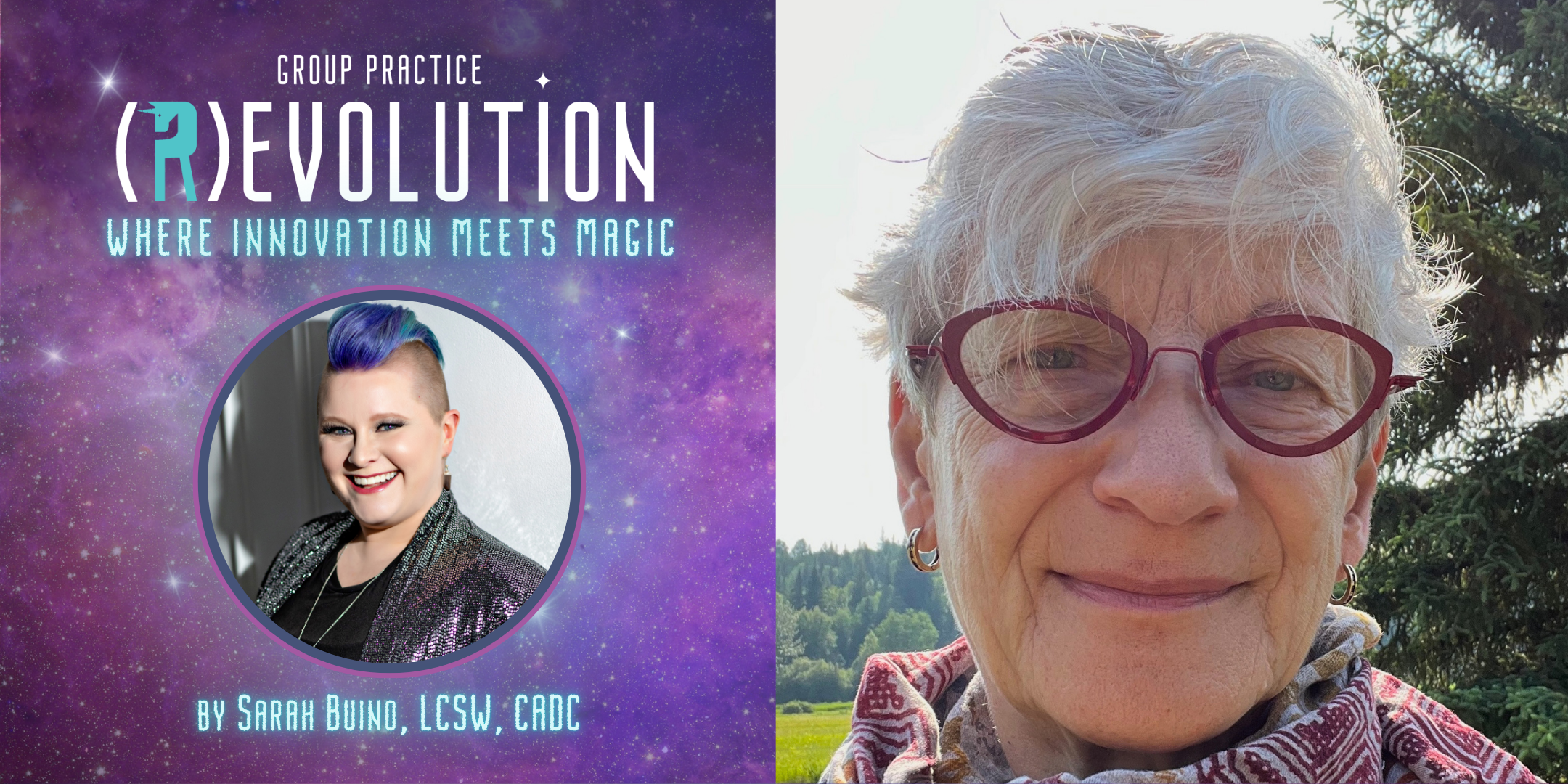
“It’s a matter of adjusting systems so they’re more caring, more human.” ~Francine Proulx-Kenzle
What if power isn’t something to avoid—but something to learn? Francine Proulx-Kenzle and Sarah Buino explore sociocracy, personal power, burnout, and how early childhood experiences shape the way we show up in systems.
I’m going to say something that might make a few therapists squirm: power is not the enemy. And yet… so many of us act like it is. In this conversation with Francine Proulx-Kenzle, I kept coming back to a core truth that I think we—especially in the therapy world—need to hear again and again: power simply exists. What matters is how we relate to it.
As Francine put it, “There’s a dance that happens around power… depending on what’s in our suitcase, it makes a big difference in how we see ourselves in using our power.” That “suitcase” she’s talking about? Trauma. Conditioning. Family systems. All the ways we learned—often unconsciously—what power means. And if your experience of power was being controlled, harmed, or silenced… of course you’re going to avoid it. But avoidance isn’t neutral. It creates a vacuum, and in that vacuum we often recreate the very dynamics we’re trying to escape.
Key takeaways from this episode:
Power isn’t something you have or don’t have—it’s something you learn to use
Avoiding power often leads to recreating the same harmful dynamics
Burnout is often a sign of disconnection from your own needs and agency
Systems like sociocracy show us what shared, humane power can look like
Healing isn’t about becoming perfect—it’s about staying in relationship with your humanity
One of the most grounding reframes from this conversation is that using power is a skill. Not something you’re born with. Not something reserved for leaders. A skill. Which means it can be learned, practiced, and refined. As I said in the episode, “Being able to use [power] with wisdom and kindness and compassion versus domination and oppression is definitely a skill.” And that’s where Francine’s work with sociocracy comes in—creating systems where power is shared, voices are heard, and leadership isn’t hoarded.
Of course, if you’re someone who values service and connection (hi, most therapists), you might recognize the burnout loop: give, overgive, disconnect, repeat. Francine named it simply and powerfully: “Before we can help others… we need to be with ourselves.” And yet how often do we skip that step? We talk about boundaries and self-care, but if we’re not actually connected to our own power—our ability to choose, to say no, to express what we need—those ideas don’t land in our bodies.
What struck me most was how much of this comes back to what we learn early. Francine spoke about the possibility of raising children differently—children who know their voices matter, who understand choice and accountability, who are allowed to develop an internal sense of power instead of outsourcing it to authority. “We can help young people… adjust society, adjust systems so that the system is more caring, more human.” That’s the long game. Not fixing individuals or tinkering at the edges, but fundamentally shifting how we relate to power from the beginning.
And then there’s the part that always hits deepest for me: the wounded healer. Francine doesn’t shy away from naming her own pain, and she still claims her role fully. “Yes, I’m a healer… I’ve been wounded, I’ve healed—and I’ll probably get wounded again.” That’s it. Not perfection. Not arrival. Just the ongoing, messy, human process of healing and showing up anyway.
If there’s one thing I want you to take from this conversation, it’s this: you don’t have to reject power to be a good person. You just have to learn how to use it differently. And that work starts with you.
GUEST CONTACT & BIO
The Sociocracy Consulting Group
francine@pensetransformation.ca
Francine Proulx-Kenzle (she/her) grew up on the Canadian prairies, shaped by a strong spirit of community and cooperation. Guided by her core values of service and connection, she works to build a more caring and inclusive world. Her toolbox is broad and people-centered: strengthening organizations with sociocracy and psychological safety practices.
MENTIONED IN THIS EPISODE
Assembly Required with Stacey Abrams (episode with Joy Reid)
RECOMMENDED EPISODES
Rethinking Power in Group Practice with Ted Rau, Sociocracy For All
Join the waitlist for the next Authentic Leaders Group!
This is a journey of self-discovery and leadership mastery, where you'll not only enhance your leadership skills but also forge meaningful connections with fellow therapists who are committed to their own growth and the betterment of the therapy field. Apply now!
Thank you to The Therapist Network for sponsoring the show!
The Therapist Network is a global community built by and for therapists. You’ll find live consult groups, an ever-growing library of workshops and courses, plus a community that really sees you. Sarah’s group, Tending to the Wounded Healer, meets every other Monday from 1–2pm CT, and it’s a space to explore the intersection of your lived experience and your clinical work.
So if you want to feel more supported and less alone, visit TheTherapist.Network—or join Sarah’s group directly attinyurl.com/HealerConsultTTN.
UPCOMING EVENTS
Check the calendar for opportunities to connect with Sarah and earn CEs.
SUPPORT THE SHOW
Conversations With a Wounded Healer Merch
Join our Patreon for gifts & perks
Shop our Bookshop.org store and support local booksellers
Share a rating & review on Apple Podcasts
***
Let’s be friends! You can find me in the following places…